
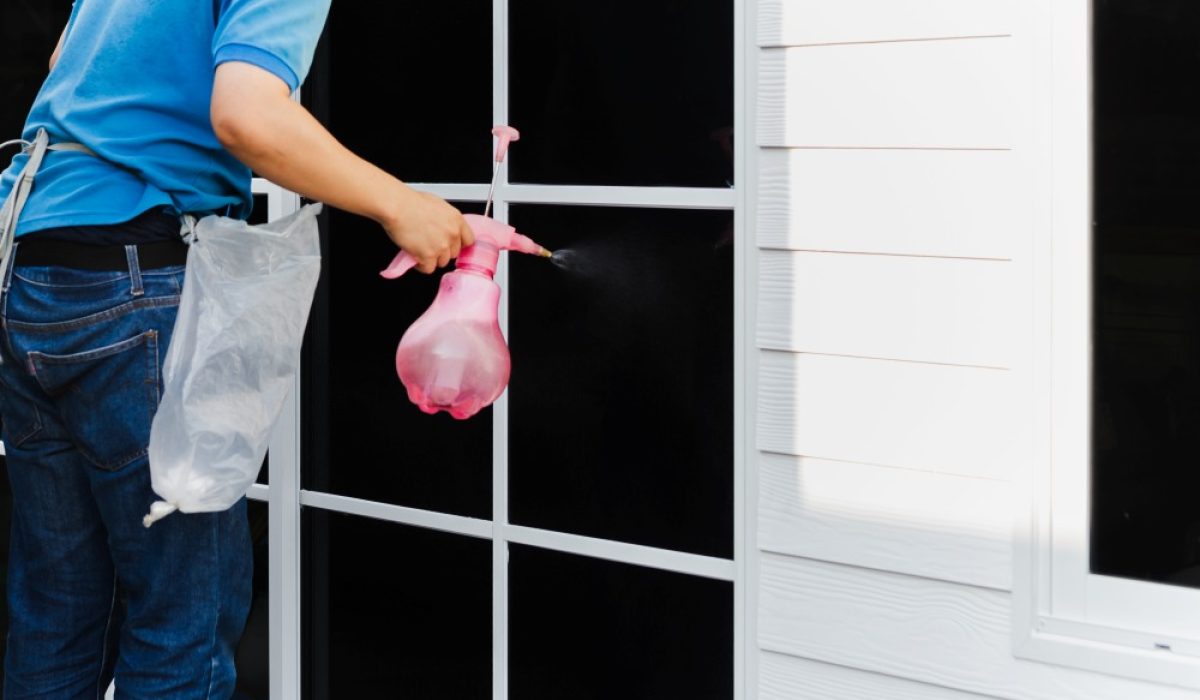
Wildfire smoke does not always stay in the distance.
When smoke moves throughout an area, fine particles can settle on homes, outdoor furniture, screens, and exterior glass. Ash and windblown dust can add another layer, leaving windows cloudy, dull or gritty even when they looked clean only a few days earlier.
The answer is simple: do not aggressively wipe dry ash or gritty debris across your windows. Wait until smoky or dusty conditions have eased, check local air-quality updates, and remove loose material carefully before cleaning the glass.
For homes with heavy buildup, upper-story windows or large areas of exposed glass, professional residential window cleaning can also make sense.
What You Should Do Now
- Clean now when smoke or ash has stopped settling and outdoor conditions are suitable.
- Wait when wildfire smoke or falling ash is still active.
- Consider professional cleaning when residue is widespread, windows are difficult to access, or ordinary cleaning leaves haze behind.
What Do Wildfire Smoke, Ash and Dust Actually Do to Windows?
Smoke, ash, and dust behave differently, but all three can leave material on exterior glass.
Wildfire smoke contains fine particulate matter. The Bay Area Air District has issued multiple wildfire-smoke advisories in 2026 and notes that smoke conditions can change quickly across the region.
Smoke particles can contribute to a dull film on exposed surfaces.
Ash is different. It may contain fine, gritty particles. That matters because rubbing dry debris back and forth across glass is not the best way to remove it.
Ordinary dust also becomes more noticeable during the East Bay’s long dry periods. Easy Life’s residential window cleaning service notes that dust, pollen and airborne particles commonly accumulate on glass, screens, tracks and frames.
In other words, wildfire smoke carries fine airborne particles that can settle on exterior glass, leaving behind a thin residue that makes windows look hazy, dull, or dirty.
Should You Clean Windows Immediately After Wildfire Smoke or Ash?
Usually, no.
If smoke, ash or heavy dust is still moving through the area, freshly cleaned windows may simply collect another layer.
It is also more important to limit unnecessary outdoor exposure during poor air-quality conditions. The EPA recommends reducing exposure to wildfire ash and avoiding cleanup methods that stir particles back into the air.
A better approach is to wait until conditions improve.
Homeowners can check current local conditions through the Bay Area Air District or AirNow before beginning outdoor cleanup.
How Should Smoke, Ash, and Dust Be Removed from Residential Windows?
The main goal is to remove loose particles without grinding them across the glass.
A proper sequence is:
- Make sure outdoor conditions are appropriate for cleaning.
- Remove or gently rinse loose debris where suitable.
- Avoid aggressively dry-scrubbing visible ash.
- Clean the glass with appropriate non-abrasive window-cleaning tools.
- Wipe surrounding frames and sills so residue does not move back onto clean glass.
- Check the finished window in direct light for remaining film or spotting.
The EPA advises slightly misting ash or using damp cleaning methods rather than actions that send particles back into the air.
Screens matter too.
A clean pane can quickly appear dusty again when the surrounding screen, sill or frame still holds debris.
Easy Life Solution’s window service includes attention to these surrounding areas as part of the home window cleaning process.
When is Professional Window Cleaning the Better Option?
Not every smoky week requires a professional visit.
For easily accessible windows with light dust, basic homeowner maintenance may be enough.
Professional help becomes more sensible when:
- Ash or dust covers many exterior windows
- Windows are on a second story
- Large picture windows are difficult to reach safely
- Screens and tracks have collected substantial residue
- A cloudy film remains after ordinary cleaning
- The home has extensive glass exposed to the outdoors
The point is not that homeowners cannot clean their own windows.
Sometimes the issue is access, scale, or the amount of residue involved.
Easy Life’s professional window cleaners work with residential properties throughout the surrounding Bay Area, where dry weather, mature landscaping and seasonal airborne debris can all affect exterior glass.
How Can You Tell Whether the Glass is Dirty or Actually Damaged?
Cleaning should remove surface contamination.
If haze remains, something else may be happening.
Residue on the outside of the pane should normally change when the glass is properly cleaned. Cloudiness between two panes of glass, however, may indicate a problem with an insulated window seal rather than dirty glass.
Likewise, scratches, etching, or permanent surface damage will not disappear through ordinary washing.
This is why cloudy windows should be inspected before repeatedly applying stronger products.
In Walnut Creek, dry weather, pollen, dust, and seasonal air conditions all influence when residential windows need cleaning and how quickly exterior glass starts to look dull again.
When Should East Bay Homeowners Clean Windows After Smoky Conditions?
For most East Bay homes, the best time is after the immediate smoke, ash or heavy-dust episode has passed and local outdoor conditions are suitable again.
There is little benefit in washing exterior glass while new particles are still settling.
Recent wildfire-smoke advisories from the Bay Area Air District also show why conditions should be evaluated locally rather than assumed across the entire Bay Area. Smoke concentrations can vary considerably depending on wind and fire location.
Once conditions settle, homeowners can inspect the glass, screens and frames and decide whether normal cleaning is enough or whether the amount and location of buildup make professional cleaning more helpful.
The Bottom Line
Wildfire smoke, ash and dust can leave home windows hazy, gritty and noticeably dull.
The safest approach is not to scrub dry ash aggressively. Wait until outdoor conditions improve, remove loose particles carefully and clean the surrounding screens, frames and sills along with the glass.
For extensive buildup or difficult-to-reach windows, professional window cleaning can simply be the more useful part of normal home maintenance.
Frequently Asked Questions
Can wildfire smoke leave a film on home windows?
Yes. Fine airborne particles from smoke can settle on exterior surfaces and contribute to a hazy or dull appearance, particularly when combined with existing dust or moisture.
Should I wipe wildfire ash off windows while it is dry?
It is better to avoid aggressive dry wiping. The EPA recommends cleanup methods that minimize stirring ash into the air, including damp methods where appropriate.
How long should I wait to clean windows after wildfire smoke?
There is no fixed number of days. Wait until smoke or ash is no longer actively settling and outdoor air-quality conditions are appropriate for cleanup.
Can professional window cleaning remove smoke and ash residue?
Routine surface residue can often be removed through proper window cleaning. Permanent scratches, etching or failed window seals are different problems and may require repair rather than cleaning.
Do window screens need cleaning after a smoky or dusty period?
Often, yes. Screens can hold fine dust, pollen and outdoor particles. Cleaning the glass without addressing a heavily soiled screen may allow debris to transfer back onto the window.