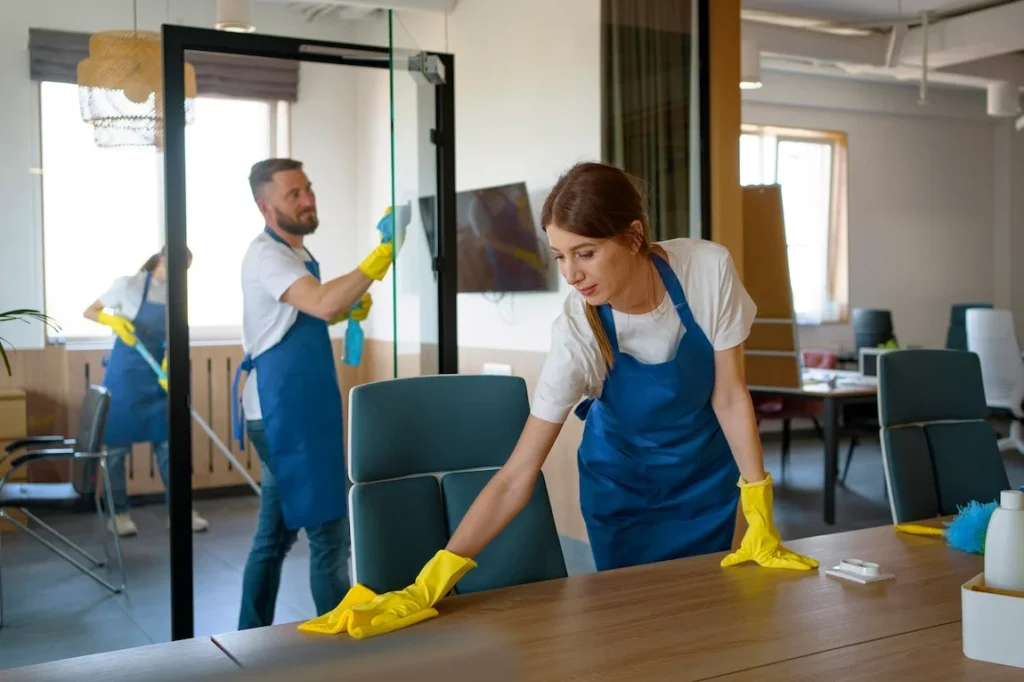
A clean workplace is not only about polished floors or tidy desks. In offices, schools, retail stores, warehouses, and shared commercial buildings, the surfaces people touch all day can quietly collect germs. Door handles, restroom faucets, elevator buttons, breakroom counters, shared keyboards, and reception desks often see dozens or even hundreds of touches in a single workday.
That is why high-touch surface disinfection still matters in California workplaces. Regular cleaning removes dirt and many germs, while targeted disinfection can lower the spread of certain pathogens when used correctly. The CDC notes that high-touch surfaces are more likely to spread germs, and high-traffic spaces may need more frequent cleaning or added disinfection.
At a Glance
- High-touch surface disinfection still matters because shared workplace surfaces can collect germs throughout the day.
- Cleaning removes dirt and many germs, while disinfecting can further reduce certain pathogens when used correctly after cleaning.
- A professional janitorial team can follow a consistent checklist, use proper products, and focus on the areas employees, visitors, and customers touch most often.
- EPA-registered disinfectants should be used according to label directions, including approved uses and safety instructions.
What Are High-Touch Surfaces in a Workplace?
High-touch surfaces are areas or objects that many people handle throughout the day. They vary by facility, but most workplaces share similar touchpoints.
| Workplace Area | Common High-Touch Surfaces |
| Entrances | Door handles, push plates, sign-in counters |
| Offices | Desks, keyboards, phones, light switches |
| Restrooms | Faucets, flush handles, dispensers, stall locks |
| Breakrooms | Tables, microwaves, refrigerator handles, coffee stations |
| Shared spaces | Elevator buttons, stair rails, conference tables |
These surfaces deserve steady attention because they connect people who may never meet face to face. An employee touches a door handle, a visitor presses an elevator button, and a vendor signs in at the front desk. Each small contact adds up over the course of a business day.
Why Disinfection Still Matters After the Pandemic
Some businesses reduced their disinfection routines once emergency pandemic measures ended. That is understandable, but it does not mean high-touch cleaning should disappear. Workplaces still deal with seasonal flu, colds, stomach bugs, and other routine illnesses that affect attendance and comfort.
The better approach is balanced. Not every surface needs harsh chemicals all day. The CDC recommends cleaning surfaces before sanitizing or disinfecting because dirt and impurities can make chemicals less effective.
The goal is not to spray everything in sight. The goal is to identify the surfaces most likely to spread germs and clean them on a practical schedule.
For busy facilities, professional high-touch surface disinfection services can help keep those areas from being overlooked.
Cleaning, Sanitizing, and Disinfecting Are Not the Same
Many people use these terms as if they mean the same thing. They do not.
- Cleaning removes dirt, dust, spills, and many germs from surfaces.
- Sanitizing lowers germs to levels considered safer for specific uses.
- Disinfecting uses registered products to kill certain germs listed on the product label.
EPA also reminds users to read and follow disinfectant labels because products work according to their approved directions. Contact time, surface compatibility, ventilation, and safe handling all affect results.
How Often Should High-Touch Surfaces Be Cleaned?
The right schedule depends on the facility. A quiet private office may not need the same routine as a medical office, school, restaurant, gym, or distribution center. Still, many workplaces benefit from daily attention to shared surfaces.
High-touch areas may need cleaning:
- At least once per day in standard offices
- More often in restrooms, lobbies, and breakrooms
- After spills, visible dirt, or heavy use
- During flu season or after reported illness
- Before and after meetings in shared rooms
Businesses with large teams, rotating workstations, or frequent visitors may benefit from daily janitorial cleaning for offices to keep cleaning routines dependable.
Signs Your Workplace Needs a Better Disinfection Routine
A workplace may need a stronger plan if:
- Restrooms receive heavy use throughout the day
- Employees share desks, phones, tools, or keyboards
- Breakroom counters are often sticky or cluttered
- Visitors, vendors, or customers enter daily
- Cleaning only happens when dirt is visible
- Staff regularly mention odors or unclean shared areas
- No one knows which surfaces are cleaned each day
These signs do not always mean a facility is poorly managed. They often mean the cleaning plan has not kept pace with the way people use the space.
Why Professional Janitorial Teams Make a Difference
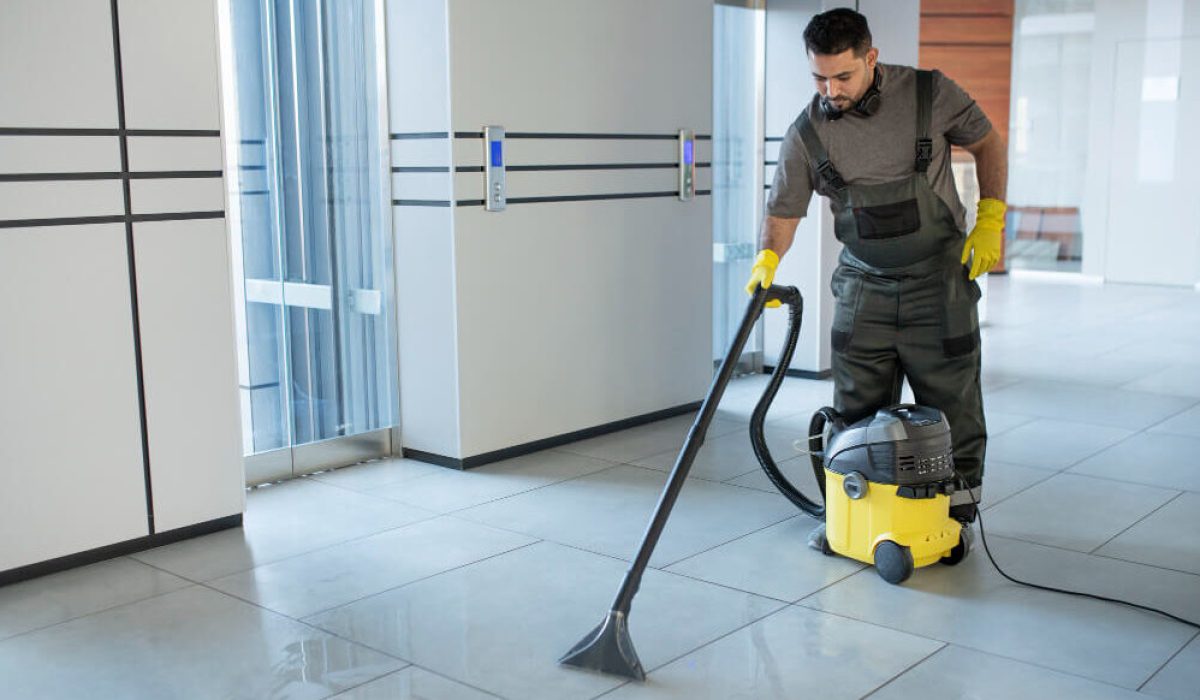
Workplace disinfection is not just wiping a surface with any available product. The process requires the right cleaner, the right disinfectant, the right dwell time, and safe use around employees and visitors.
A trained janitorial team can help with:
- Identifying true high-touch points
- Cleaning before disinfecting
- Using EPA-registered disinfectants when needed
- Avoiding product overuse
- Reducing cross-contact between restrooms, breakrooms, and office areas
- Keeping a consistent schedule
For business owners and facility managers, this consistency is the real value. Professional office disinfection services help create a cleaner workplace without asking employees to manage restroom fixtures, shared equipment, and common-area sanitation on their own.
Final Takeaway
High-touch surface disinfection still matters because workplace hygiene affects comfort, confidence, and day-to-day operations. California businesses do not need excessive chemical use, but they do need a steady plan for the surfaces people handle most. When cleaning and disinfection are scheduled with care, the workplace feels better, looks better, and supports a healthier routine for everyone who walks through the door.
Keep your workplace cleaner, safer, and more comfortable with a janitorial plan that focuses on the surfaces people touch most. Contact Easy Life Cleaning today to schedule reliable commercial cleaning and high-touch surface disinfection for your California workplace.
Frequently Asked Questions
What are high-touch surfaces in a workplace?
High-touch surfaces are objects or areas people touch often during the workday. Common examples include door handles, elevator buttons, light switches, desks, keyboards, phones, restroom faucets, breakroom tables, and shared touchscreens.
How often should high-touch surfaces be disinfected in an office?
Most offices should clean high-touch surfaces daily. Busy workplaces, shared offices, restrooms, lobbies, and breakrooms may need more frequent cleaning, especially during flu season or after reported illness.
Is cleaning enough, or do workplaces need disinfection too?
Cleaning is the first step and often removes many germs. Disinfection may be added for high-touch surfaces, high-traffic areas, or situations where illness risk is higher. Surfaces should usually be cleaned before disinfecting.
What is the best disinfectant for office surfaces?
The best disinfectant depends on the surface and the germs being targeted. Businesses should use EPA-registered disinfectants and follow the product label for contact time, safety steps, and surface compatibility.
Why hire a janitorial service for workplace disinfection?
A janitorial service brings consistency, proper product use, and a clear cleaning schedule. This helps businesses maintain restrooms, breakrooms, lobbies, and shared work areas without placing that responsibility on employees.